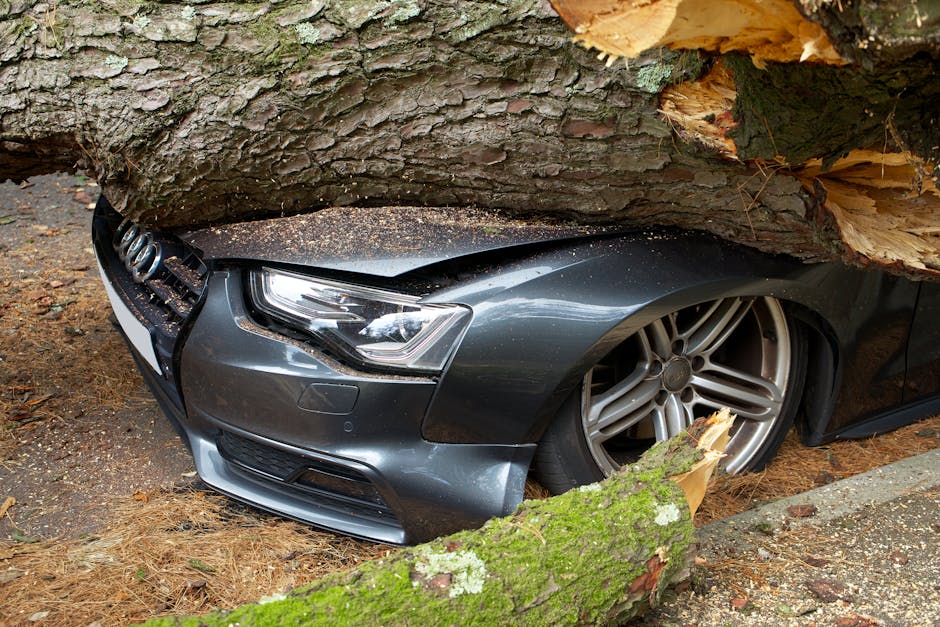
Emergency tree clearance by Victoria gardeners same day options

When a tree comes down across a path, starts leaning after wind, or drops heavy limbs into a garden, you do not want a vague promise for "sometime this week". You want someone who can turn up quickly, make the site safe, and clear the mess without creating a second problem. That is exactly where Emergency tree clearance by Victoria gardeners same day options becomes useful. It is the practical, fast-response side of tree work: assess the danger, remove the immediate hazard, and leave the area usable again.
This guide explains how same-day emergency clearance usually works, what to expect from a reputable local team, when urgent action really matters, and how to avoid costly mistakes. It also covers sensible next steps if the tree issue is tied to wider garden work, such as tree lopping and removal, garden clearance, or even follow-on maintenance through garden maintenance. Let's face it, when branches are creaking in the wind, people do not want theory - they want clarity.
Why Emergency tree clearance by Victoria gardeners same day options Matters
Tree emergencies are stressful because they can escalate quickly. A snapped limb can block access to a driveway in the morning and, by late afternoon, be pressing against a fence, shed roof, or greenhouse. In stronger winds, a partially fallen tree may shift again after the first rush of rain. That unpredictability is what makes same-day clearance so valuable.
The main purpose is not just to "cut the tree down". It is to reduce immediate risk. That might mean clearing a fallen trunk from a path, taking weight off a leaning section, or removing broken branches that are hanging over a footpath. In some cases the priority is simply getting the garden safe enough for people, pets, and neighbours to move around without worry. You can deal with the rest later.
There is also a practical side. If access to your home, bins, vehicles, or shared passage is blocked, waiting days is more than inconvenient. It can affect daily life, create tension with neighbours, and increase the chance of further damage. A quick response can stop a bad situation becoming a bigger one. And to be fair, nobody wants to wake up and find a half-cracked limb dangling over the patio like a bad joke.
Expert takeaway: Same-day emergency tree clearance is about risk reduction first, tidy finish second. If the site is still unsafe, a reputable team will say so plainly rather than pretending everything can be sorted in one quick sweep.
How Emergency tree clearance by Victoria gardeners same day options Works
Same-day emergency work usually follows a simple but disciplined process. The exact details vary with the job, but the core steps are fairly consistent. Good firms move fast without being reckless, because rushing is exactly how more damage happens.
First comes the call or enquiry. You describe what has happened, where the tree is, whether anyone is injured, and whether there are any obvious hazards such as overhead cables, blocked roads, or structural damage. If the tree is near a building, the team may ask for photos or a brief video. That helps them judge equipment, crew size, and whether they need to arrive with additional support.
Next is a quick triage. The team will normally decide whether the work is a true emergency, an urgent same-day clearance, or a job that can be handled safely later that day or the next morning. This part matters. Not every fallen branch needs a full emergency callout, but not every tree problem can wait, either. You need judgement, not guesswork.
On arrival, the priority is a site safety check. The crew looks for unstable timber, hanging limbs, slippery ground, broken glass, damaged fencing, and other hazards. If access is tight, they may need to work in a staged way: make the area safe first, then clear sections out progressively. This is common in small gardens, side returns, and back access routes where space is limited.
After that comes the clearance itself. Depending on the situation, the team may use chainsaws, pole saws, hand tools, rigging kit, or small loading equipment. Larger pieces are cut down into manageable sections, stacked, loaded, and removed. If the emergency is related to a whole tree failure, stump work may be left for a later appointment unless the stump itself is creating an immediate issue.
Finally, there is usually a basic tidy-up and advice on follow-up work. For example, a tree may have come down because it was diseased, heavily decayed, or poorly balanced after years of growth. If that is the case, a one-off clear-up solves the immediate hazard, but the underlying garden may still need attention through services like landscaping or broader services overview planning. Not glamorous, but useful.
Key Benefits and Practical Advantages
The biggest benefit is obvious: speed. Same-day options reduce the time your property is exposed to risk. But there are other advantages that people often only appreciate after the dust has settled.
- Reduced danger: Loose limbs, leaning trunks, and obstructed paths are dealt with before they cause a second incident.
- Less property damage: Clearing weight and unstable timber quickly can protect roofs, sheds, fences, cars, and glazing.
- Better access: Driveways, gates, shared paths, and garden entrances can be reopened sooner.
- Cleaner decision-making: Once the immediate danger is gone, you can decide calmly whether the tree needs pruning, removal, or replacement.
- Faster neighbour reassurance: This sounds small, but in terraced streets or shared gardens, visible action helps calm things down.
There is another practical advantage that people miss: a good emergency crew can often spot related problems while they are already on site. For instance, they may notice other overloaded branches, poor root stability, damaged planting beds, or drainage issues making the ground softer than it should be. That is helpful because tree failure is sometimes the symptom, not the whole story.
If the incident has created a larger mess of branches, leaves, and broken material, the clearance can often be paired with garden clearance. That is usually the tidy way to deal with the aftermath, especially when weather damage has scattered debris across the whole space.
Who This Is For and When It Makes Sense
Emergency tree clearance is not just for dramatic storm events. It is for anyone facing an immediate tree-related hazard, and that can take many forms. A tree that leans slightly after heavy rain might not look dramatic, but if the root plate has lifted or the soil has shifted, it can still be a real concern. The same goes for a split trunk, a large branch hanging low over a path, or a tree pressing on a boundary fence.
This service makes sense for homeowners, landlords, managing agents, small businesses with garden frontage, and anyone responsible for a private outdoor space. If children, elderly relatives, or pets use the area, a faster response is even more sensible. Truth be told, the risk is often not the tree itself but the everyday movement around it.
It is especially relevant after windstorms, snow loading, or waterlogged ground. Those conditions can change a tree's behaviour in a way that is not obvious until a branch drops or the crown shifts. One moment everything looks fine; the next there is a sharp crack and a gate that will not open. That is the sort of mess nobody wants to start the week with.
Same-day options also make sense if the tree is causing a knock-on issue. For example:
- blocking access for deliveries or parking
- leaning toward a conservatory, shed, or boundary wall
- dropping debris repeatedly onto a shared path
- creating a trip hazard for visitors
- leaving the garden unusable after a sudden collapse
If the concern is smaller but recurring, such as overgrown crowns or poor clearance over walkways, a planned service like hedge trimming or routine maintenance may be the better long-term fix. Not every problem is an emergency, thankfully.
Step-by-Step Guidance
If you need fast tree clearance, the process becomes much easier when you know what to do in the first hour. Here is a sensible order of operations.
- Keep people clear of the area. Do not stand under hanging branches or walk near a leaning tree. Move children, pets, and visitors away first.
- Check for obvious danger. If there are power lines involved, do not approach the tree. Stay back and treat it as a serious hazard.
- Take a few photos from a safe distance. This helps explain the situation clearly when requesting same-day help. A couple of angles is usually enough.
- Describe the access. Mention side gates, narrow passages, locked areas, parking restrictions, or anything that may slow the crew down.
- Ask whether the priority is clearance or stabilisation. Sometimes the first job is not removal, but making the tree safe enough to wait for a fuller visit.
- Confirm what will be removed. Clarify whether the team is clearing only the dangerous material or also taking away all arisings and debris.
- Discuss follow-up work. Once the emergency is dealt with, ask about next steps for stump removal, pruning, or general garden recovery.
That may sound obvious, but in practice these simple steps save time. The clearer the picture you give, the better the response. A calm, accurate description can shave off a lot of delay, especially when a crew is juggling several urgent jobs at once.
If the fallen tree has left the rest of the garden in a mess, it can be worth planning the wider clean-up immediately after the dangerous material is removed. A fast clear-up followed by a more methodical tidy often works better than trying to solve everything in one frantic burst.
Expert Tips for Better Results
There are a few small decisions that make emergency tree clearance smoother, safer, and less frustrating. They are not dramatic, but they matter.
Be specific about what has happened. "A tree is down" and "a large limb has split and is hanging over the neighbour's fence" are not the same thing. Specifics help the team prepare the right tools and time.
Do not tidy around the hazard yourself. It is tempting to drag branches out of the way, especially if the garden looks cramped. But unstable timber can shift suddenly. Leave the awkward bits to the crew.
Think about the aftermath. If the tree was weak, decayed, or storm-damaged, you may need more than just clearance. Some gardens need root work, regrading, or replacement planting later on. Otherwise the same ugly problem can return. It happens more often than people think.
Keep your access clear. Move cars, bins, and garden furniture if it is safe to do so. A crew arriving to find a blocked gateway loses time, and in bad weather that time matters.
Ask what happens to the waste. Tree waste can be bulky. Some teams chip, load, and remove debris on the same visit; others may leave material stacked neatly if access or volume makes full removal impractical. Best to know in advance.
Expect plain speaking. A good arboriculture or gardening team will tell you if a tree should not be cut in one go, or if a full removal needs more time than a same-day slot allows. That honesty is a good sign, not a bad one.
And a slightly practical note: if the weather is still rough, a site that was safe at 10am can feel different by 3pm. Wind gusts, rain, and softened ground change the job as the day goes on. That is why experienced crews keep reassessing as they work.
Common Mistakes to Avoid
Most emergency mistakes come from panic, assumptions, or trying to save time in the wrong place. Totally understandable, but avoidable.
- Waiting too long: If a tree is visibly unstable, "let's see if it gets worse" can be the expensive option.
- Using the wrong person for the job: A general gardener can be excellent, but serious tree instability calls for proper tree clearance experience and safe work practices.
- Ignoring access details: A narrow alley, locked rear gate, or fragile paving can change how the clearance must be done.
- Trying DIY cuts on a dangerous tree: This is one of the fastest ways to turn a manageable issue into an injury risk.
- Forgetting nearby structures: Sheds, fencing, cables, glass, and neighbouring gardens should all be considered before cutting starts.
- Not asking about debris removal: Some jobs are technically cleared but still leave a mountain of timber in the way.
One of the most common missteps is assuming every broken tree needs to come down immediately. Sometimes a partial failure can be made safe and monitored until a planned visit. Other times, the opposite is true and the tree needs urgent action. This is where a proper on-site assessment earns its keep.
Tools, Resources and Recommendations
Emergency clearance work is only as good as the tools and judgement behind it. You do not need to know the technical details, but it helps to understand what reputable crews may bring to the job.
- Chainsaws and pole saws: Used for cutting timber into safe, manageable sections.
- Rigging kit: Useful where branches need controlled lowering instead of simple cutting.
- Personal protective equipment: Helmets, gloves, eye protection, chainsaw trousers, and safety boots are standard good practice.
- Green waste handling equipment: Chippers, loaders, and transport tools help remove debris efficiently.
- Access aids: Ladders are not always appropriate for emergency tree work, but specialist access methods may be needed depending on the site.
For homeowners, the most useful "resource" is often a clear, calm set of photos and a short written description. That sounds almost too simple, but it helps a lot. Include the main hazard, the nearest access point, and whether anyone is currently blocked in. A few seconds of good information can save a whole back-and-forth.
If the issue sits alongside broader garden disorder after a storm, it may also be sensible to book wider cleanup or routine care later. Related services such as garden maintenance and lawn mowing can help restore the space once the immediate risk is gone. The garden often needs a proper reset, not just the biggest branch removed.
For peace of mind around business practices, it is worth looking at the company's insurance and safety information as well as its health and safety policy. Those pages help show how the team thinks about risk, equipment, and site conduct. That is not flashy, but it matters.
Law, Compliance, Standards and Best Practice
Tree clearance is not just a physical job; it is also a safety-sensitive one. In the UK, best practice generally means working in a way that avoids foreseeable harm to people, property, and nearby services. Exact legal duties can vary depending on the site, ownership, and local situation, so caution is wise here rather than overconfidence.
As a homeowner or property manager, you should not ignore obvious danger. If a tree has already failed, is leaning dangerously, or appears to threaten a building or public access, a prompt response is sensible. If the tree is near overhead lines or public highways, extra care and the right sequence of action matter. In those cases, leave the problem alone until it can be assessed safely.
Reputable teams will usually work with sensible site controls: barriers where needed, clear exclusion zones, PPE, safe cutting methods, and a refusal to take unnecessary risks for the sake of speed. That is what good looks like. A rushed cut near a cracked trunk is not "efficient"; it is sloppy.
There is also a wider duty of care around waste handling and general tidiness. Branches, sawdust, and timber offcuts should not be left in a way that creates new trip hazards. If material is to be left temporarily, it should be stacked with purpose, not dumped like a last-minute apology.
For many readers, the simplest practical standard is this: if the situation feels unsafe to you, treat it as unsafe until a competent person has assessed it. That is not overreaction. That is common sense with boots on.
Options, Methods and Comparison Table
Not every tree issue needs the same response. The table below gives a practical comparison of the most common options people consider when they need a fast solution.
| Option | Best for | Typical speed | Strengths | Limitations |
|---|---|---|---|---|
| Same-day emergency clearance | Immediate hazards, blocked access, fallen or unstable trees | Fastest | Reduces risk quickly, reopens access, gives peace of mind | May focus on making safe first rather than completing every follow-up task |
| Urgent same-day pruning or partial reduction | Branches that are dangerous but the tree is still standing | Fast | Can remove immediate weight and reduce risk without full removal | Not suitable for severely failed or collapsed trees |
| Planned tree removal | Non-urgent removals, dead trees, garden redesigns | Slower | Allows fuller planning and tidy completion | Not ideal when the hazard is active right now |
| Garden clearance after the tree is made safe | Storm debris, broken branches, messy aftermath | Flexible | Restores order across the wider garden | Does not itself solve the tree hazard if the tree is still unstable |
In real life, the best option is sometimes a combination. A storm-damaged tree might need immediate stabilisation today, then fuller removal or landscaping later. That layered approach is often the most sensible and least stressful.
Case Study or Real-World Example
Picture a back garden after a windy night. A mature tree near the boundary has split at one major limb, and the lower section has dropped across the path between the house and the side gate. Nothing is fully crushed, but the route is blocked and the remaining limb is hanging awkwardly over a fence line. The ground is wet, the air still gusty, and the whole thing looks a bit untrustworthy - which, frankly, it is.
In a situation like that, the first job is not a full tidy garden makeover. It is to make the route safe. A same-day team would usually assess from a safe angle, identify the unstable wood, and cut it back in controlled sections. If the branch tension is awkward, rigging may be used so the timber is lowered rather than dropped. Once the obstruction is cleared, the crew can remove debris, check the surrounding area for further damage, and advise on whether the rest of the tree needs more work.
What does the homeowner get out of that? Access restored, risk reduced, and a clearer plan for what comes next. Maybe the tree needs later attention through tree lopping and removal. Maybe the garden just needs recovery work, a bit of sorting, and a fresh start. Either way, the urgent pressure is off.
That calmer second stage matters. Emergency work should resolve the immediate problem, but it should also set the property up for proper follow-up. Otherwise people end up patching the same issue again two months later. Nobody enjoys that loop.
Practical Checklist
Use this checklist if you are deciding whether to request same-day emergency tree clearance.
- Is the tree leaning, split, fallen, or partially collapsed?
- Is access to the house, garden, driveway, or shared path blocked?
- Are children, pets, neighbours, or visitors at risk if they use the area?
- Is the tree touching or threatening a fence, shed, roof, or window?
- Are there overhead cables, public footpaths, or road-facing hazards nearby?
- Can you describe the issue clearly with a few photos from a safe distance?
- Have you kept everyone away from the danger zone?
- Do you know whether you need clearance only, or wider garden clean-up as well?
- Have you checked the company's safety and insurance information?
- Are you ready to arrange follow-up work if the tree cannot be fully dealt with in one visit?
If you can tick most of those boxes, you are in a good position to book help quickly. If you cannot, start with safety and keep people out of the area until you can.
Get a free quote today and see how much you can save.
Conclusion
Emergency tree clearance by Victoria gardeners same day options is really about one thing: getting control back fast when a tree suddenly becomes a hazard. Whether the issue is a fallen limb, a leaning trunk, storm debris, or blocked access, the best response is calm, safe, and properly prioritised. Clear the immediate danger first, sort the mess second, and think about follow-up work once the pressure is off.
If your tree problem sits alongside broader outdoor damage, it may also be worth reviewing the full range of services, from garden clearance to landscape gardening, so the space can recover properly after the emergency. Little by little, gardens come back. They really do.
When the wind drops and the site is finally quiet again, that first safe path through the garden feels like a small relief. And sometimes, that is exactly what you need.
Frequently Asked Questions
What counts as a tree emergency?
A tree emergency usually means the tree or a major branch is creating an immediate safety risk. That could be a fallen trunk, a split limb hanging over a path, a leaning tree after wind, or debris blocking access. If people or property are in immediate danger, it should be treated urgently.
Can I get same-day tree clearance in Victoria?
Same-day options are often available for urgent situations, but speed depends on workload, weather, access, and the nature of the hazard. A clear description and photos from a safe distance can help the team judge whether they can attend that day.
Should I cut the tree myself before help arrives?
Usually no. If the tree is unstable, cutting it yourself can cause movement, unexpected snapping, or further collapse. The safer choice is to keep clear, keep others away, and wait for a competent team to assess it.
What if the tree is near power lines?
Do not go near it. Trees and power lines are a serious combination, and the safe approach is to stay back and avoid any contact. Mention the risk clearly when requesting help so it is treated as a higher-priority safety issue.
Will emergency clearance include removing all the debris?
Sometimes yes, sometimes partially, depending on access, volume, and how urgent the site is. It is best to confirm whether the job includes full waste removal or just making the area safe. Clarity here saves a lot of frustration later.
Is emergency tree clearance the same as tree removal?
Not always. Emergency clearance focuses on the immediate hazard and restoring safety. Full tree removal may happen at the same time, but in some cases only part of the tree is dealt with first, with the rest planned for later.
What should I tell the gardener when I call?
Explain what happened, where the tree is, whether anyone is hurt, whether access is blocked, and whether there are any nearby cables or structures. A couple of photos can also help. The more accurate the description, the better the response.
How do I know if a tree can wait until tomorrow?
If the tree is stable, not leaning further, and not threatening people, property, or access, it may be able to wait for a planned visit. But if you are unsure, treat it as urgent and get it assessed. It is better to be cautious than brave about it.
What happens if the emergency is only partly solved on the same day?
That is common. The first visit may focus on stabilising the situation and removing the most dangerous material. Follow-up work can then deal with full removal, stump issues, or broader garden repair once the site is safe.
Can emergency tree work be combined with other garden services?
Yes, often it can. Once the dangerous material is cleared, many people choose to continue with garden recovery, pruning, or wider tidying. Services such as garden maintenance and services overview help put the space back into proper order.
How do I choose a trustworthy team for urgent tree work?
Look for clear communication, sensible safety information, and a calm approach to risk. A trustworthy team will explain what can be done safely today, what should wait, and what the likely next steps are. That honesty is worth a lot when the pressure is on.
What if I only need the garden cleared after the tree comes down?
That is a very common next step. Once the danger has been made safe, wider clearing can deal with branches, leaves, and general storm mess. In some cases, a separate garden clearance visit is the cleanest way to finish the job properly.