Gardener Victoria — Recycling and Sustainability for Greener Gardens
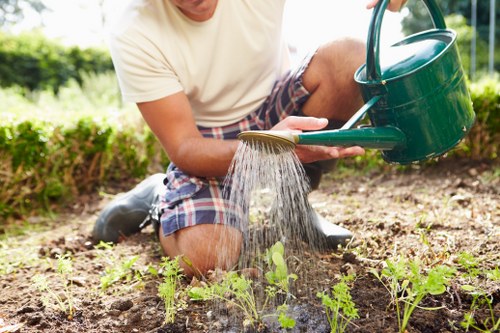 Gardener Victoria is committed to creating an eco-friendly waste disposal area and a thriving sustainable rubbish gardening area across our service region. Our approach balances practical garden waste management with community-focused reuse and repair, turning what was once refuse into resources that feed soil, community projects and local biodiversity. We believe that every garden can contribute to a circular, low-carbon local economy by reducing landfill, increasing on-site composting and supporting redistribution networks.
We set a clear recycling percentage target: to achieve a 70% recycling and reuse rate for garden and associated household green waste by 2030. This target covers green waste, woody material, soil improvement reuse and the diversion of plastics and metals used in garden infrastructure. Reaching this goal will require coordinated collection, improved sorting and stronger partnerships with charities and community hubs that can take usable materials for repair and redistribution.
 Local transfer stations play a pivotal role in making our sustainable rubbish gardening area efficient and reliable. We work with a network of transfer stations and civic amenity sites where materials are pre-sorted and routed: soil and turf are separated for reuse, timber is assessed for reuse or chipping, and mixed recyclable containers are diverted to material recovery facilities. In many boroughs the approach to waste separation has shifted to a three-stream model — dry recycling, food and garden waste, and residual waste — and we align our collection systems to complement these local schemes.
How we manage waste: collection, transfer and reuse
Our collection strategy emphasises low-impact logistics. We are expanding a fleet of low-carbon vans including electric vans and hybrids, and trialling biomethane-powered vehicles for heavier loads. The fleet upgrade aims for 50% low-emission vehicles by 2028, contributing to a notable reduction in transport-related greenhouse gases while keeping collections timely and efficient in suburban and inner-city green spaces.
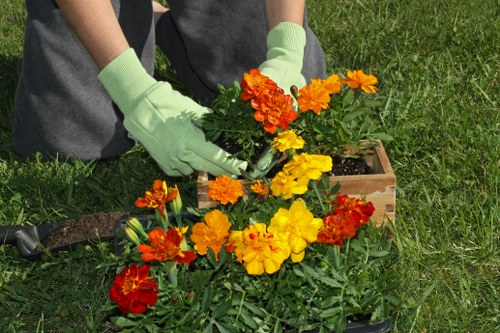 On the ground, our teams sort materials at source where possible. We encourage gardeners to separate: compostable green waste, clean timber and branches, plastics and metals from tools and planters, and soil or turf. This simple household separation mirrors the boroughs’ waste separation programmes and makes material streams more valuable at local transfer stations, increasing the proportion of materials that can be recycled or reused rather than sent to landfill.
We also prioritise creating dedicated community compost hubs and sustainable waste gardens where leaf litter, grass cuttings and prunings are turned into high-quality compost. These hubs are located near transfer stations or community centers to reduce transport miles, and they provide a steady stream of soil improvers for local parks, schools and community gardens.
Partnerships, charities and local action
Gardener Victoria collaborates with charities and community groups to increase reuse and redistribution. We partner with organisations such as Groundwork and The Conservation Volunteers, along with local community composting schemes, to channel usable timber, planters and surplus soil to community projects. These partnerships ensure that items recovered from the sustainable rubbish gardening area are diverted to places where they can continue to deliver environmental and social benefit.
 We support refurbishing and reuse programmes that match usable garden furniture, tools and raised beds with community gardening projects and social enterprises. Rather than disposal, items in good condition are repaired and repurposed, which reduces resource extraction and keeps embodied carbon out of landfill. Our charity partnerships also help us distribute compost, mulch and reclaimed materials to community allotments and schools.
 Operationally, our programme includes coordinated drop-off events and regular collection rounds aligned with borough waste calendars. This integrated approach — combining local transfer station routing, community reuse projects and a low-carbon collection fleet — is designed to steadily increase recycling rates and reduce the carbon footprint of garden waste management.
Key initiatives at a glance:
- 70% recycling target by 2030 for garden and associated household green waste.
- Expand low-carbon vans: electric, hybrid and biomethane vehicles to cut transport emissions.
- Strengthen ties with local transfer stations to improve material sorting and reuse.
- Partner with charities and community groups for repair, redistribution and community composting.
- Support boroughs' waste separation schemes through clear household sorting guidance and collection alignment.
Gardener Victoria’s vision for an eco-friendly waste disposal area and sustainable rubbish gardening area is practical, measurable and community-centred. By combining ambitious recycling percentage targets, strategic use of local transfer stations, charitable partnerships and a transition to low-carbon vans, we aim to restore nutrients to soil, reduce waste, and build resilient, greener neighbourhoods. Together with residents, councils and community groups we will keep gardens productive and waste systems low-impact, turning garden refuse into a local resource for climate resilience and biodiversity.